
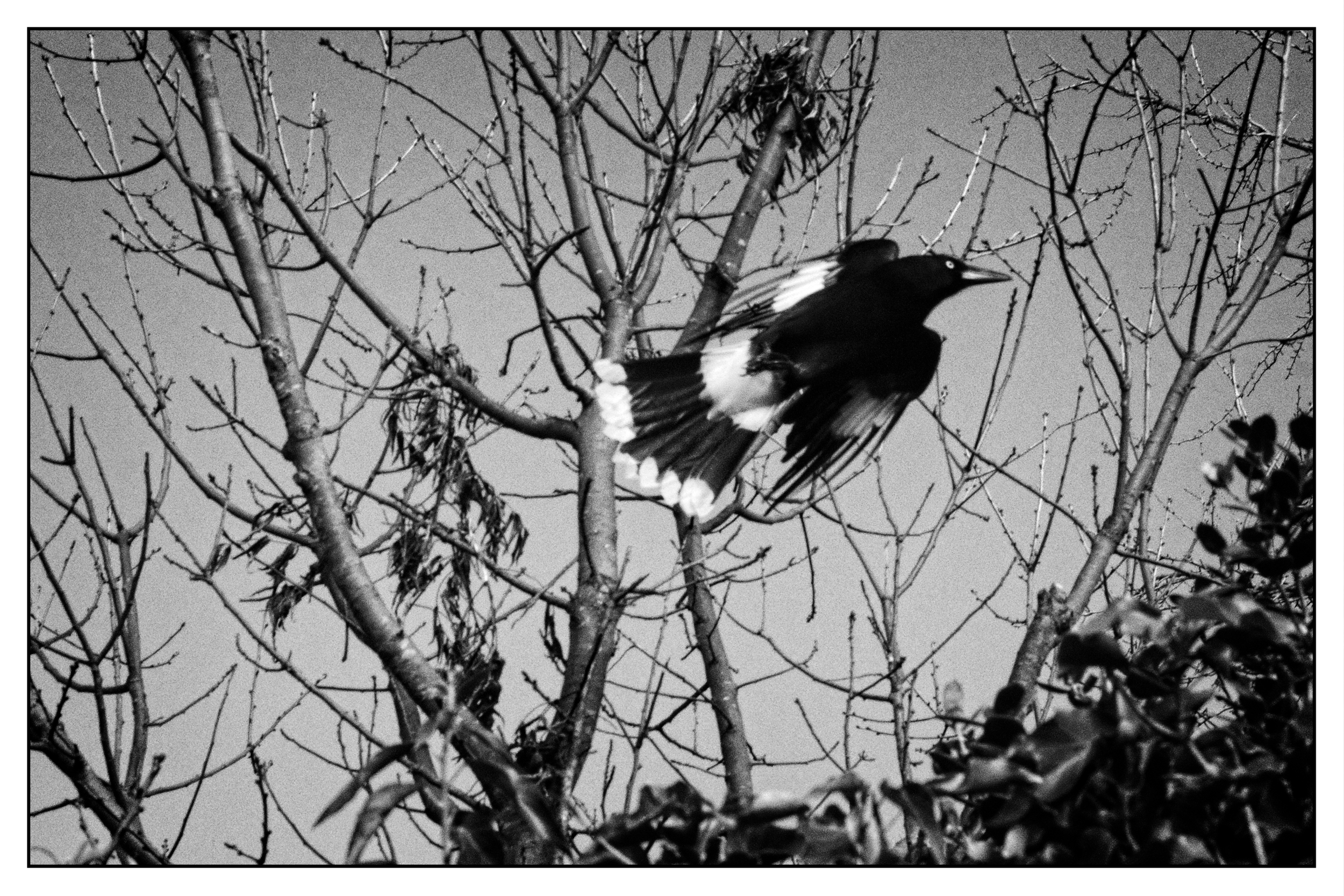
When human beings withdraw into the silence of the wilderness—away from the noise of urban life and the incessant demands of social obligation—an alternative mode of reality begins to disclose itself. Nature, in its untamed and resistant form, no longer functions merely as a passive setting for human activity. It emerges instead as an active presence, one that addresses the individual directly. Those who spend prolonged periods living with little more than the earth beneath them, the sky above, and the rhythms of non-human life soon discover a different temporal order: one no longer governed by clocks or schedules, but by cycles of light and darkness, wind and stillness.
[…]
In this sense, the wilderness emerges as a profound teacher. It reveals the extent to which human beings are not detached observers of the world, but participants within a complex, interwoven whole. It exposes the fragility of our assumptions of separation and mastery, and invites us into a reality characterized by mutual implication rather than domination. Those who allow themselves to be genuinely addressed by nature often come to perceive life not as an accidental convergence of blind forces, but as a coherent and meaningful totality in which they already belong.
Read the full essay: Nature in consciousness
Leave a Reply