
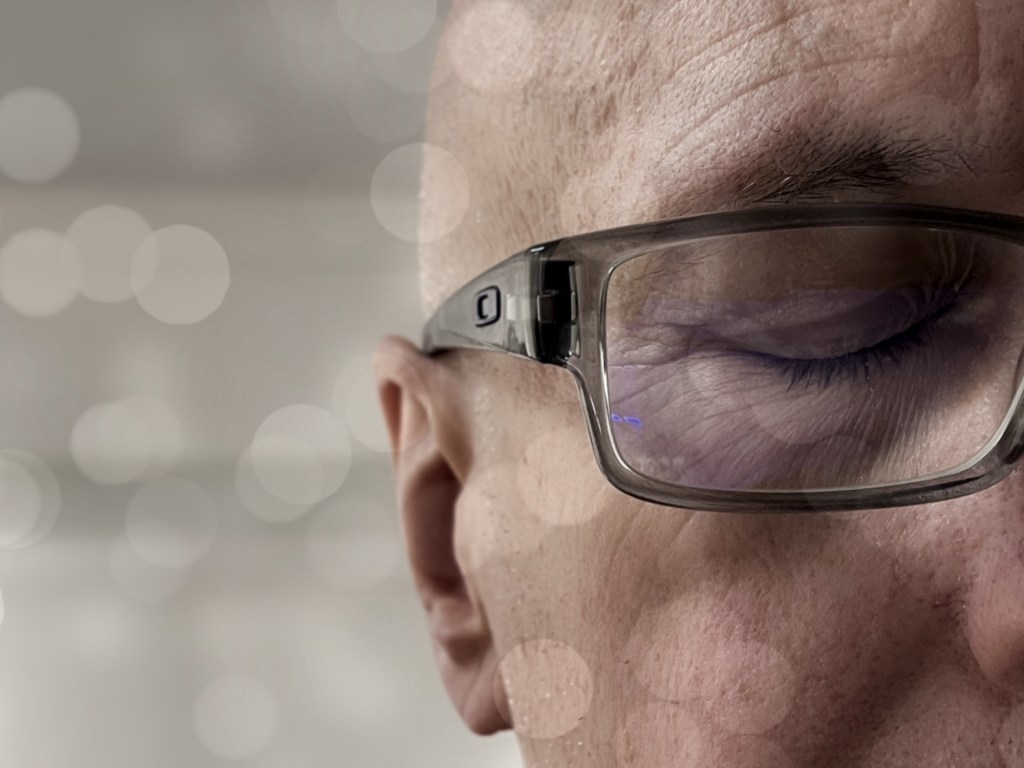
Each morning I sit for 40 minutes. Just in the moment, without adding anything extra. Nothing to do. No one to be. Nowhere to go.
Meditation reveals the basic contours of wild mind, and cultivates a return to wild mind belonging to wild earth. In its barest philosophical outlines, meditation begins with sitting quietly and watching thoughts come and go in a field of silent and dark emptiness. From this attention to thought’s movement comes meditation’s first revelation: that we are, as a matter of observable fact, separate from our thoughts and memories. That is, we are not the center of identity (the West’s “soul”) we assume ourselves to be in our day-to-day lives—that center of self-absorbed thought that takes empirical reality as the object of its contemplation, defining us as fundamentally outside reality. Instead, we are wild: the empty awareness (known in Ch’an terminology as “empty-mind”) that watches identity rehearsing itself in thoughts and memories relentlessly coming and going. With experience, the thought process slows, and it is possible to watch thoughts burgeon forth out of the dark emptiness, evolve through their transformations, and disappear back into that emptiness. Thoughts, it seems, appear and disappear in exactly the same way as the ten thousand things of the empirical Cosmos appear and disappear—and so, thought and things share as their primal source the same generative emptiness. In this, meditation reveals that our mental processes too are wild by their very nature—always already integral to the living tissue of a generative Cosmos. Eventually the stream of thought falls silent, and we inhabit empty-mind, that generative ground itself. Here, we are wholly free of the identity-center—free, that is, of the self-absorbed and relentless process of thought that defines us as centers of identity separate from the world around us. This is the heart of Ch’an dwelling: mind and Cosmos woven together in the most profound cosmological and ontological way, identity revealed in its most capacious and primal form as nothing less than the generative tissue itself, the gentle and nurturing “mother.”
— David Hinton. Wild Mind
 shojiwax.com
What say you? Please leave a comment!